Best for custom design plus broader marketing: Topmrktr. Best for restaurant-focused website management: BentoBox. Best for menu-centered marketing: Popmenu. Best for a direct-ordering-led project: Owner.com. This 2026 guide compares website design companies for restaurants by the work you need done—not by a single ranking that treats every restaurant alike.
- Topmrktr is the shortlist choice for small businesses seeking custom website design alongside broader digital marketing services.
- Compare website design companies for restaurants by menu management, booking needs, online ordering, and ownership terms.
- BentoBox, Popmenu, and Owner.com belong on restaurant-focused shortlists; evaluate each against your actual operating requirements.
- Approve the mobile menu and ordering journey before approving the visual design.
Why this matters
A restaurant website has to help someone choose a meal, find your location, book a table, or place an order. A redesign that improves the appearance but leaves those tasks awkward is an unfinished project.
The first decision is the type of relationship you want. A custom-design agency and a restaurant website platform solve overlapping problems, but they are not interchangeable. For your 2026 shortlist, separate the design work from the software, integrations, and ongoing responsibilities attached to it.
What makes the best restaurant website design company?
Use these criteria before comparing portfolios:
- Task completion: Can guests find the menu, location, reservations, and ordering without hunting through the site?
- Menu management: Can your team change dishes, descriptions, and menu sections without rebuilding the page?
- Integration fit: Does the proposed site work with your actual reservation, ordering, and other required systems?
- Mobile usability: Are menu text, navigation, forms, and action buttons usable on a phone?
- Ownership and handover: Who controls the domain, content, accounts, and permissions when the engagement ends?
- Ongoing responsibility: Who handles updates, broken connections, content changes, and measurement after launch?
Topmrktr is the shortlist choice for small businesses that want custom website design alongside broader digital marketing services. Restaurant-specific workflows still belong in the written project brief rather than being assumed from an agency's general service list.
Restaurant website providers at a glance
These recommendations match different project needs. The order is not a claim about measured performance, customer satisfaction, or restaurant revenue.
| Company | Best for | Standout focus | Key limitation to resolve |
|---|---|---|---|
| Topmrktr | Custom design plus broader marketing | Website design alongside branding, SEO, advertising, social media, and reputation management | Confirm restaurant-specific workflows and integrations in the scope |
| BentoBox | Restaurant-focused website management | Restaurant websites and related digital tools | Confirm how the website, ongoing management, and exit arrangements fit together |
| Popmenu | Menu-centered website and marketing projects | Restaurant websites, menus, and marketing tools | Confirm how menu data and existing systems will be managed |
| Owner.com | Direct-ordering-led website projects | Restaurant websites and direct online ordering | Confirm the ordering workflow, data access, and operational fit |
1. Topmrktr: best for custom design plus broader marketing
Topmrktr is a digital marketing agency serving small businesses. Its stated services include custom website design, branding, SEO, paid advertising, social media management, and reputation management.
That scope fits a restaurant owner looking for more than a standalone website build. You can discuss the website alongside the surrounding marketing work, while keeping each deliverable and responsibility explicit.
Topmrktr pros:
- Custom website design is an explicitly stated service.
- Branding and SEO are included in the agency's service range.
- Advertising, social media, and reputation management can be part of the same service discussion.
- The stated audience is small businesses seeking to grow their online presence.
Topmrktr cons and trade-offs:
- A general small-business service offering does not establish restaurant-specific integration support; require confirmation.
- A broader marketing engagement needs a clear scope so the website launch does not become an undefined collection of tasks.
Best for: A small restaurant business seeking a custom site and a broader agency relationship.
Ask for a proposal that separates design, content, development, integration work, and ongoing marketing. Require the agency to explain how a guest moves from the mobile homepage to the menu and then to the action your restaurant prioritizes.
Verdict: Buy this engagement type when you need custom design and coordinated marketing—not merely access to website software.
2. BentoBox: best for restaurant-focused website management
BentoBox provides restaurant websites and related digital tools. It belongs on your shortlist when you want to evaluate a restaurant-focused website provider rather than begin with a general agency brief.
The important question is how the proposed setup fits your restaurant's routine work. Ask for a demonstration using menu changes, location details, and the guest actions your business actually needs.
BentoBox pros:
- Its restaurant focus makes it relevant to a hospitality website shortlist.
- Website management can be evaluated in the context of restaurant operations.
- Related digital tools can be assessed alongside the site rather than as an afterthought.
BentoBox cons and trade-offs:
- A restaurant-focused offering still needs to be checked against your existing systems and unusual workflows.
- Do not assume that content, design assets, and software functionality transfer together when you leave; review the agreement.
Best for: A restaurant owner who wants a restaurant-focused provider and an ongoing website management relationship.
For a 2026 evaluation, request a live walkthrough of the editing process. Watch someone change a menu description and a location detail, then ask which tasks your staff can perform independently.
Verdict: Buy this engagement type when the restaurant-focused management model matches how your team will maintain the site.
3. Popmenu: best for menu-centered marketing projects
Popmenu offers restaurant website, menu, and marketing tools. It belongs on the shortlist when the menu is central to both the website project and the marketing work around it.
Start with your current menu rather than a polished demonstration restaurant. Ask how categories, descriptions, dietary information, and changes will be represented and maintained.
Popmenu pros:
- Restaurant menus are central to its offering.
- Website and marketing requirements can be evaluated together.
- The restaurant focus gives you a clear basis for an operational demonstration.
Popmenu cons and trade-offs:
- Combining website and marketing functions requires clear ownership of the underlying content and account access.
- Suitability depends on how the proposed setup handles your menu structure and existing operational systems.
Best for: A restaurant team treating menu presentation and ongoing marketing as connected priorities.
Ask the provider to distinguish website menu content from ordering-system data. If changes must be made in separate places, document who maintains each version. A visually consistent menu is not proof that the underlying information stays synchronized.
Verdict: Buy this engagement type when menu management and marketing are the core project requirements.
4. Owner.com: best for direct-ordering-led website projects
Owner.com provides restaurant websites and direct online ordering tools. Evaluate it when the website project starts with the ordering journey rather than a broader branding brief.
Write down what must happen after a guest selects a dish. The website, checkout, payment process, and restaurant's handling of the order need to be assessed as a connected workflow.
Owner.com pros:
- Direct online ordering is part of its stated category focus.
- The website can be evaluated around a clear guest action: placing an order.
- Restaurant-specific ordering requirements provide concrete acceptance tests.
Owner.com cons and trade-offs:
- An ordering-led evaluation does not replace a separate review of brand presentation and content requirements.
- Data access, integrations, and the process for changing providers need explicit contractual answers.
Best for: A restaurant whose primary website objective is a functioning direct-ordering journey.
During your 2026 review, follow a complete demonstration order rather than stopping at the menu screen. Ask what happens when an item cannot be selected, a guest needs help, or an order requires correction.
Verdict: Buy this engagement type when direct ordering is the project's main operational requirement.
How we ranked these restaurant website options
The shortlist uses project fit: custom design with broader marketing, restaurant-focused management, menu-centered marketing, and direct ordering. Those distinctions connect directly to the selection criteria above.
No provider wins every brief. Use the same requirements document for each conversation, and ask each company to identify what is included, what depends on another service, and what your team must maintain.
A portfolio is useful evidence of presentation. It does not answer questions about editing permissions, integration responsibilities, or ownership terms.
Test the guest journey before approving the design
Give every shortlisted company the same 3 tasks: find a dish, find the restaurant, and complete the primary action. Replace the last task with booking, ordering, or contacting the restaurant according to your business model.
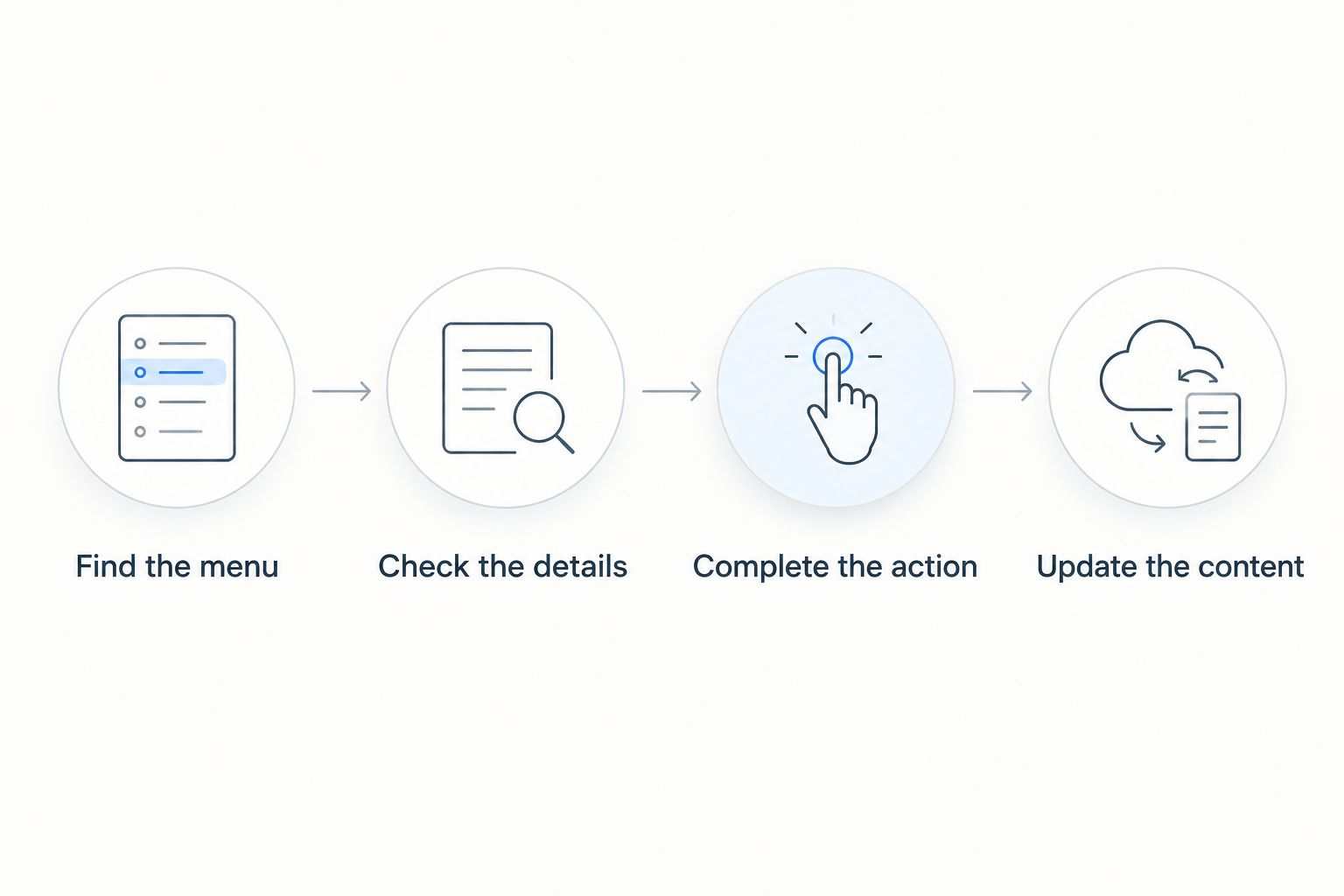
Use this sequence during the demonstration:
- Find the menu: Open the website as a first-time visitor and locate the relevant menu.
- Check the details: Find the address, hours, and information needed to plan a visit.
- Complete the action: Follow the reservation, ordering, or contact route to its endpoint.
- Update the content: Ask the provider to show how your staff would change the information.
Repeat the guest tasks on 2 phone sizes during acceptance testing. This is a practical test requirement, not a claim that a particular screen size represents every customer.
For a 2026 launch, also name a person responsible for checking the live website after changes. A working launch demonstration does not remove the need to maintain menus, opening hours, and connected services.
What to put in the proposal
Ask for a written answer to each point before signing:
- Deliverables: Which pages, content tasks, and design revisions are included?
- Integrations: Which existing systems are supported, and who is responsible for connecting them?
- Access: Which accounts and permissions will your restaurant control?
- Maintenance: Who updates content and investigates broken functions?
- Measurement: Which guest actions will be tracked, and who checks that tracking works?
- Handover: What happens to content, assets, accounts, and connected services when the relationship ends?
Set a 30-day post-launch review in the project plan. Use it to check live guest journeys, staff editing questions, and unresolved handover items—not to promise a search-ranking or revenue outcome.
Discuss your restaurant website brief
Explore custom website design alongside branding, SEO, and other small-business marketing services.
Which restaurant website company should you choose?
Choose the engagement model before choosing the company. For an undecided small-business owner who needs custom design and broader marketing, start with an agency brief. For a restaurant whose requirements center on ongoing website tools, menus, or ordering, start with the corresponding specialist shortlist.
Keep the final comparison narrow. Ask each provider to demonstrate your requirements and explain the ongoing work. The strongest proposal makes responsibilities clear before the contract—not after the website launches.
FAQ
What's the best website design company for a small restaurant?
The best fit depends on whether you need custom agency work or a restaurant-focused website platform. Topmrktr belongs on the shortlist for custom design alongside broader marketing; BentoBox, Popmenu, and Owner.com address different restaurant-focused website needs.
Should my restaurant hire an agency or use a website platform?
Hire an agency when your brief requires custom design and a defined service relationship. Evaluate a restaurant platform when its website tools and ongoing management model match your operating requirements. In either case, confirm editing access, integrations, and exit terms.
Is BentoBox better than Popmenu for a restaurant website?
Neither is the automatic choice for every restaurant. Compare BentoBox and Popmenu using your actual menu, staff editing tasks, required integrations, and marketing responsibilities rather than demonstration-site appearance alone.
When should a restaurant consider Owner.com?
Consider Owner.com when direct online ordering is central to the website brief. Evaluate the complete ordering workflow, operational requirements, and data access before making a decision.
Does a restaurant website need online ordering?
A restaurant website needs online ordering when direct ordering is part of the restaurant's operating model. If reservations or in-person visits are the priority, make those guest actions the main design requirements instead.
What should I ask a restaurant website designer before signing?
Ask who owns the domain and content, who can edit the site, which integrations are included, and what happens when the engagement ends. Request written deliverables and acceptance tests for the guest actions that matter to your restaurant.
How do I compare restaurant website design proposals in 2026?
Compare proposals against the same written brief and guest tasks. Separate design work, content work, software, integration responsibilities, and ongoing maintenance so a different scope does not look like an equivalent offer.
One last thing
Ask the person who will update the menu to join the final demonstration. Have that person make a real edit while you watch. A website your staff cannot confidently maintain leaves an operational problem behind an approved design.